Showing posts with label polished. Show all posts
Friday, January 15, 2016
South Tampa, Florida 3rd floor & kitchen condo project
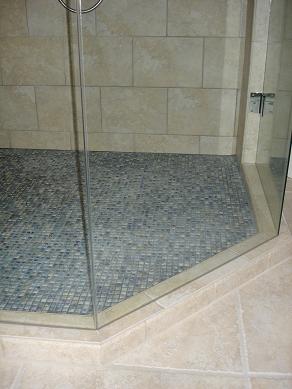
Final photos of the 24x24 Tarsus Grey polished porcelain tile on the South Tampa, Florida 3rd floor & kitchen condo project #tile #tampa #24x24 #porcelain #polished #condo #ceramictec
Labels:
ceramictec,
condo,
polished,
porcelain,
rectified,
south tampa,
Tampa,
tile
Monday, January 25, 2010
Commonly used Tile in Florida Definition….
to view our current blogs go to our website or read the original here.
http://ceramictec.com/commonly-used-tile-in-florida-definition
At Ceramictec we install the finest selection of name brand tile with the widest selection of patterns, textures, sizes and colors. No matter what your decor or color scheme we can help you find the perfect tile for your home decorating.
* Stain Resistant
* Scratch Resistant
* Fire Resistant
* Doesn’t Fade from Sun Light
* Easy to Clean
Porcelain Tile — Is a tile that is generally made by the dust pressed method from porcelain clays which result in a tile that is dense, impervious, fine grained and smooth, with a sharply formed face. Porcelain tiles usually have a much lower water absorption rate (less than 0.5%) than non-porcelain tiles making them frost resistant or frost-proof. Glazed porcelain tiles are much harder and more wear and damage resistant than non-porcelain ceramic tiles, making them suitable for any application from light traffic to the heaviest residential and light commercial traffic. Full body/though body porcelain tiles carry the color and pattern through the entire thickness of the tile making them virtually impervious to wear and are suitable for any application from residential to the highest traffic commercial or industrial applications. Porcelain tiles are available in matte, unglazed or a high polished finish.
Glazed Tile — Most of the common ceramic floor tiles have either a glazed, or unglazed surface. The glazed tiles have a special ceramic coating that is applied to the body of the tile and then fired under high heat. The glazing becomes hard.
Unglazed Floor Tile — There is no glazing or any other coating applied to these tiles. Because these tiles are porous it is recommended that a special penetrating sealant be used to maintain this type of floors and to help prevent stains from seeping into the pores of the tiles. Their color is the same on the face of the tile as it is on the back resulting in very durable tiles that do not show the effects of heavy traffic.
Marble — Marble is a natural product and is not made in a factory. For this reason no two pieces of marble look the same and the veining is a natural characteristic in all marble. One of the more popular marble tile in Florida is Travertine. There are special marble sealants to help protect from staining of the face. Extra care should be used when cleaning and all abrasives and acidic cleaners should never be used when cleaning. Even colas, some juices, and possibly ammonia may destroy the marble finish.
Granite — This is another natural stone and is not manufactured in a factory. Granite can be used indoors or outdoors and is less porous than marble. It is still recommended that you use a sealant to protect the finish from staining.
Grout — Grout is a mixture of cement and a color additive. For tile floors with wider spaces between each tile sand is added to the grout. Also, a liquid latex additive can be added to the grout to give better resiliency to the grouted areas. For ease of maintenance a penetrating sealant should be used on the grout. It should be noted you may see a change in color of your grout over time. To stop this we highly recommend an upgrade to an epoxy grout.
Some of the other important things we can help with when selecting a tile floor is the slip-resistance, the size and color of the grout joints, the thickness of the tile, height variations from room to room, size of the tile, suitability of the subfloor, and cleaning of the tile.
If your interested in getting a Free Estimate Please Contact Us.
.
.
.
http://ceramictec.com/commonly-used-tile-in-florida-definition
At Ceramictec we install the finest selection of name brand tile with the widest selection of patterns, textures, sizes and colors. No matter what your decor or color scheme we can help you find the perfect tile for your home decorating.
* Stain Resistant
* Scratch Resistant
* Fire Resistant
* Doesn’t Fade from Sun Light
* Easy to Clean
Porcelain Tile — Is a tile that is generally made by the dust pressed method from porcelain clays which result in a tile that is dense, impervious, fine grained and smooth, with a sharply formed face. Porcelain tiles usually have a much lower water absorption rate (less than 0.5%) than non-porcelain tiles making them frost resistant or frost-proof. Glazed porcelain tiles are much harder and more wear and damage resistant than non-porcelain ceramic tiles, making them suitable for any application from light traffic to the heaviest residential and light commercial traffic. Full body/though body porcelain tiles carry the color and pattern through the entire thickness of the tile making them virtually impervious to wear and are suitable for any application from residential to the highest traffic commercial or industrial applications. Porcelain tiles are available in matte, unglazed or a high polished finish.
Glazed Tile — Most of the common ceramic floor tiles have either a glazed, or unglazed surface. The glazed tiles have a special ceramic coating that is applied to the body of the tile and then fired under high heat. The glazing becomes hard.
Unglazed Floor Tile — There is no glazing or any other coating applied to these tiles. Because these tiles are porous it is recommended that a special penetrating sealant be used to maintain this type of floors and to help prevent stains from seeping into the pores of the tiles. Their color is the same on the face of the tile as it is on the back resulting in very durable tiles that do not show the effects of heavy traffic.
Marble — Marble is a natural product and is not made in a factory. For this reason no two pieces of marble look the same and the veining is a natural characteristic in all marble. One of the more popular marble tile in Florida is Travertine. There are special marble sealants to help protect from staining of the face. Extra care should be used when cleaning and all abrasives and acidic cleaners should never be used when cleaning. Even colas, some juices, and possibly ammonia may destroy the marble finish.
Granite — This is another natural stone and is not manufactured in a factory. Granite can be used indoors or outdoors and is less porous than marble. It is still recommended that you use a sealant to protect the finish from staining.
Grout — Grout is a mixture of cement and a color additive. For tile floors with wider spaces between each tile sand is added to the grout. Also, a liquid latex additive can be added to the grout to give better resiliency to the grouted areas. For ease of maintenance a penetrating sealant should be used on the grout. It should be noted you may see a change in color of your grout over time. To stop this we highly recommend an upgrade to an epoxy grout.
Some of the other important things we can help with when selecting a tile floor is the slip-resistance, the size and color of the grout joints, the thickness of the tile, height variations from room to room, size of the tile, suitability of the subfloor, and cleaning of the tile.
If your interested in getting a Free Estimate Please Contact Us.
.
.
.
Labels:
Bradenton,
Brandon,
ceramic,
Florida,
glass,
glazed,
gloss,
grout,
Hillsborough,
installation,
installer,
Marble,
polished,
porcelain,
Sarasota,
Seminole,
Tampa,
through body,
Travertine,
variation
Thursday, January 21, 2010
Tile Setter’s Advice....
For Florida Bathroom Floor Tiles….
Selecting tile for your Florida bathroom is an area where I feel you should adhere to some basic principals. But, this is also an area where you can let your imagination shine. Various sizes, colors, and textures combined can make your bathroom truly a work of art!
Let’s begin.
* First, you should consider maintenance and ease of such.
* Second, you should consider texture and where to place it.
* Third, colors.
* Fourth, design and design elements consistent with the interior flavor or theme of your home or space.
* Maintenance is often overlooked at the expense of loss of luster and shine over a period of time. Nothing looks worse than a dull and well worn Travertine.
My advice after having busting out many Travertine floors is to consider Granite, Ceramic, Porcelain, or Glass for the bathroom floor. Use a durable non porous easy to clean material. You can use Travertine but remember it needs to be sealed. As a floor surface this can build up if not maintained properly. Like Marble, Travertine is a soft material and requires maintenance and can be stained, scratched, and easily chipped.
Textures on the floors can add an immediate design element. Perhaps a textured material or natural stone placed strategically in the center of the floor or as a perimeter band. Running your floor tile on a diagonal or diamond pattern has the effect of making your room look larger. However, expect to pay anywhere from $1.00-2.00 extra and more for a diagonal diamond pattern per square foot.
Design elements will add to cost as well. As much as $5.00 or more per square foot can be expected. Textures such as tumbled Marble would best be suited on walls. Round Riverbed Stones work well on shower floors and offer somewhat of a therapeutic value. Tumbled Marble or another color of Natural Stone used as a color band if incorporated correctly adds excitement and an “out of the ordinary” point of interest.
Colors. Always remember when using Natural Stone the installation generally costs more because tile setters have to craft, shape, grind, polish and form many pieces of the material. More often than not, there are no pre-formed corners and edges as there are with ceramic tile. And, the process takes a lot more time. You’ll appreciate that more when shelling out more per square foot for the material alone.
Another point to remember is that almost any tile including Natural Stone can have a pattern! You really need to open up a few boxes to determine if you may run into an issue here.For instance, some time ago we installed a Walnut Travertine shower and walls. As I removed tile from the boxes and it was placed on the wall, we could clearly see we had reassembled the cut slab straight out of the box. This is unusual but it happens. In other cases the same grain or flow of colors in Natural Stone be it Granite, Marble, Sandstone, Travertine, and Gemstone may not look good. Dark tile areas might need to be distributed within lighter tiles so you don’t wind up with too many dark or light tiles in one area.
If you are a DIY’er, when setting Travertine floors or walls be sure to use a thinset mortar that closely matches the tile surface color. Lighter Travertine should be placed with white thinset mortar and darker or chocolate Travertine should be set with gray thinset mortar. This is because Travertine is a porous material and your thinset can actually show through the surface or push through on installation. This can appear as a stain.
Design elements enhance the flavor of a space by using colors, textures, and sizes. A simple 6X6 shower enclosure will look much more appealing with a color stripe at the very least at about eye level. Using that same color stripe in other spots like the shower floor or inside a niche adds a little class.
There is a virtual universe of materials, colors, and textures at local distributors to flavor your next project. These additions add simple and attractive sophistication to an otherwise boring bathroom floor or shower.
The materials and ideas are as endless as your imagination and budget.
Be creative !
Selecting tile for your Florida bathroom is an area where I feel you should adhere to some basic principals. But, this is also an area where you can let your imagination shine. Various sizes, colors, and textures combined can make your bathroom truly a work of art!
Let’s begin.
* First, you should consider maintenance and ease of such.
* Second, you should consider texture and where to place it.
* Third, colors.
* Fourth, design and design elements consistent with the interior flavor or theme of your home or space.
* Maintenance is often overlooked at the expense of loss of luster and shine over a period of time. Nothing looks worse than a dull and well worn Travertine.
My advice after having busting out many Travertine floors is to consider Granite, Ceramic, Porcelain, or Glass for the bathroom floor. Use a durable non porous easy to clean material. You can use Travertine but remember it needs to be sealed. As a floor surface this can build up if not maintained properly. Like Marble, Travertine is a soft material and requires maintenance and can be stained, scratched, and easily chipped.
Textures on the floors can add an immediate design element. Perhaps a textured material or natural stone placed strategically in the center of the floor or as a perimeter band. Running your floor tile on a diagonal or diamond pattern has the effect of making your room look larger. However, expect to pay anywhere from $1.00-2.00 extra and more for a diagonal diamond pattern per square foot.
Design elements will add to cost as well. As much as $5.00 or more per square foot can be expected. Textures such as tumbled Marble would best be suited on walls. Round Riverbed Stones work well on shower floors and offer somewhat of a therapeutic value. Tumbled Marble or another color of Natural Stone used as a color band if incorporated correctly adds excitement and an “out of the ordinary” point of interest.
Colors. Always remember when using Natural Stone the installation generally costs more because tile setters have to craft, shape, grind, polish and form many pieces of the material. More often than not, there are no pre-formed corners and edges as there are with ceramic tile. And, the process takes a lot more time. You’ll appreciate that more when shelling out more per square foot for the material alone.
Another point to remember is that almost any tile including Natural Stone can have a pattern! You really need to open up a few boxes to determine if you may run into an issue here.For instance, some time ago we installed a Walnut Travertine shower and walls. As I removed tile from the boxes and it was placed on the wall, we could clearly see we had reassembled the cut slab straight out of the box. This is unusual but it happens. In other cases the same grain or flow of colors in Natural Stone be it Granite, Marble, Sandstone, Travertine, and Gemstone may not look good. Dark tile areas might need to be distributed within lighter tiles so you don’t wind up with too many dark or light tiles in one area.
If you are a DIY’er, when setting Travertine floors or walls be sure to use a thinset mortar that closely matches the tile surface color. Lighter Travertine should be placed with white thinset mortar and darker or chocolate Travertine should be set with gray thinset mortar. This is because Travertine is a porous material and your thinset can actually show through the surface or push through on installation. This can appear as a stain.
Design elements enhance the flavor of a space by using colors, textures, and sizes. A simple 6X6 shower enclosure will look much more appealing with a color stripe at the very least at about eye level. Using that same color stripe in other spots like the shower floor or inside a niche adds a little class.
There is a virtual universe of materials, colors, and textures at local distributors to flavor your next project. These additions add simple and attractive sophistication to an otherwise boring bathroom floor or shower.
The materials and ideas are as endless as your imagination and budget.
Be creative !
Saturday, September 5, 2009
Travertine Tile Installation in Tampa, Florida
One way of making your Tampa Florida home standout in style is by installing Travertine tile flooring. Having installed our fair share of Travertine tile in Florida in area's like Tampa, Lakeland, St. Pete, Sarasota, Brandon, Bradenton, Lutz & Wesley Chapel, this style of flooring will work virtually everywhere in your home and the designs and styles are numerous which also makes it very versatile. The ranges of flooring are numerous and finding the perfect design to fit in with your decor is easy, however if you want to totally change your decor and try something new.
here are some Travertine flooring ideas you might not have considered.
What is Travertine:
To begin with, Travertine flooring is also known by several other names, some of the most common include Oriental alabaster, Egyptian alabaster, onyx marbles and Mexican onyx.
Travertine is a terrestrial sedimentary rock, formed by the precipitation of carbonate minerals from geothermally heated hot-springs. Similar (but more porous) deposits formed from ambient temperature water are known as tufa.
Travertine belongs to the larger family of stone called limestone also known as Calcium Carbonate. Marble is also a type of limestone that has had additional heat and pressure applied to it by the earth’s crust. Travertine is formed by minerals dissolving in ground water and then being deposited on the earth’s surface by rivers, natural springs, or geysers.
This beautiful flooring not only adds style to your home but also adds value.
Good and Bad Points:
As with all types of flooring Travertine has both good and bad points which have to be considered before going for this type of flooring. Its good points include being tough and hard wearing and there is a diverse range of styles to choose from as the stone comes in a wide range of some of the most beautiful colors imaginable.
The bad points are if you like a highly polished surface then they can become very slippery which could cause problems when laid in areas of high traffic and you have to avoid the use of acidic products on the unsealed stone. Acidic products which could spoil the beauty of this natural stone include the spillage of orange juice or vinegar. So great care has to be taken and thought has to be given when thinking of installing in the kitchen or dining area.
Travertine Ideas and Finishes:
Another plus which bodes well when it comes to diversity is the fact that the flooring comes in four different finishes, the choice of which to some extent will depend on where you intend to install the flooring.
One of the most beautiful finishes due to the way that the stone reflects the light is the polished, but as mentioned before this can be slippery. A smooth surface can be found with the honed stone due to its matte finish and brushed and tumbled stone has a slightly textured surface which holds a beauty entirely of its own.
Whether you are trying to portray a contemporary or rustic image, Travertine flooring is unbeatable. When going for the rustic look then a cream or natural colored stone that has a brushed surface and is left unfilled will indeed give just that.
Filled polished tiles are used for a more conservative look due to their highly reflective surface and look gorgeous when laid out over a larger open plan area. If you want a different look with travertine flooring you can choose to go mosaic and of course the rustic honed surface is the perfect choice when it comes to designing a mosaic floor.
Unusual Uses for Travertine Flooring:
Although traditionally Travertine flooring is of course used when it comes to installing new flooring it can also produce stunning effects when used for more unusual decoration.
Some uses which can show Travertine off at its best include using polished or tumbled travertine in the kitchen as a back splash. using matte stone on the floor of the shower stall and highly polished stone on the walls. Due to the natural beauty of a brushed or tumbled stone incorporating inconsistency and texture on each individual stone. one of my favorite patterns using travertine is the Chiseled Edge in a Versailles Pattern or the Honed Finish in a Brick Pattern.
visit our Ceramictec picture Gallery of ways to use Travertine Tile in Florida:

A+ work on the Master Bath...Thx Brian...We will be using you in the future.
Lance P
Palm Harbor, FL.
.
.
here are some Travertine flooring ideas you might not have considered.
What is Travertine:
To begin with, Travertine flooring is also known by several other names, some of the most common include Oriental alabaster, Egyptian alabaster, onyx marbles and Mexican onyx.
Travertine is a terrestrial sedimentary rock, formed by the precipitation of carbonate minerals from geothermally heated hot-springs. Similar (but more porous) deposits formed from ambient temperature water are known as tufa.
Travertine belongs to the larger family of stone called limestone also known as Calcium Carbonate. Marble is also a type of limestone that has had additional heat and pressure applied to it by the earth’s crust. Travertine is formed by minerals dissolving in ground water and then being deposited on the earth’s surface by rivers, natural springs, or geysers.
This beautiful flooring not only adds style to your home but also adds value.
Good and Bad Points:
As with all types of flooring Travertine has both good and bad points which have to be considered before going for this type of flooring. Its good points include being tough and hard wearing and there is a diverse range of styles to choose from as the stone comes in a wide range of some of the most beautiful colors imaginable.
The bad points are if you like a highly polished surface then they can become very slippery which could cause problems when laid in areas of high traffic and you have to avoid the use of acidic products on the unsealed stone. Acidic products which could spoil the beauty of this natural stone include the spillage of orange juice or vinegar. So great care has to be taken and thought has to be given when thinking of installing in the kitchen or dining area.
Travertine Ideas and Finishes:
Another plus which bodes well when it comes to diversity is the fact that the flooring comes in four different finishes, the choice of which to some extent will depend on where you intend to install the flooring.
One of the most beautiful finishes due to the way that the stone reflects the light is the polished, but as mentioned before this can be slippery. A smooth surface can be found with the honed stone due to its matte finish and brushed and tumbled stone has a slightly textured surface which holds a beauty entirely of its own.
Whether you are trying to portray a contemporary or rustic image, Travertine flooring is unbeatable. When going for the rustic look then a cream or natural colored stone that has a brushed surface and is left unfilled will indeed give just that.
Filled polished tiles are used for a more conservative look due to their highly reflective surface and look gorgeous when laid out over a larger open plan area. If you want a different look with travertine flooring you can choose to go mosaic and of course the rustic honed surface is the perfect choice when it comes to designing a mosaic floor.
Unusual Uses for Travertine Flooring:
Although traditionally Travertine flooring is of course used when it comes to installing new flooring it can also produce stunning effects when used for more unusual decoration.
Some uses which can show Travertine off at its best include using polished or tumbled travertine in the kitchen as a back splash. using matte stone on the floor of the shower stall and highly polished stone on the walls. Due to the natural beauty of a brushed or tumbled stone incorporating inconsistency and texture on each individual stone. one of my favorite patterns using travertine is the Chiseled Edge in a Versailles Pattern or the Honed Finish in a Brick Pattern.
visit our Ceramictec picture Gallery of ways to use Travertine Tile in Florida:
A+ work on the Master Bath...Thx Brian...We will be using you in the future.
Lance P
Palm Harbor, FL.
.
.
Labels:
chiseled,
contractor,
filled,
Florida,
Hillsborough,
honed,
installation,
lakeland,
natural,
Orlando,
polished,
Sarasota,
st. pete,
stone,
Tampa,
tile,
Travertine,
tumbled
Subscribe to:
Posts (Atom)